No products in the cart.
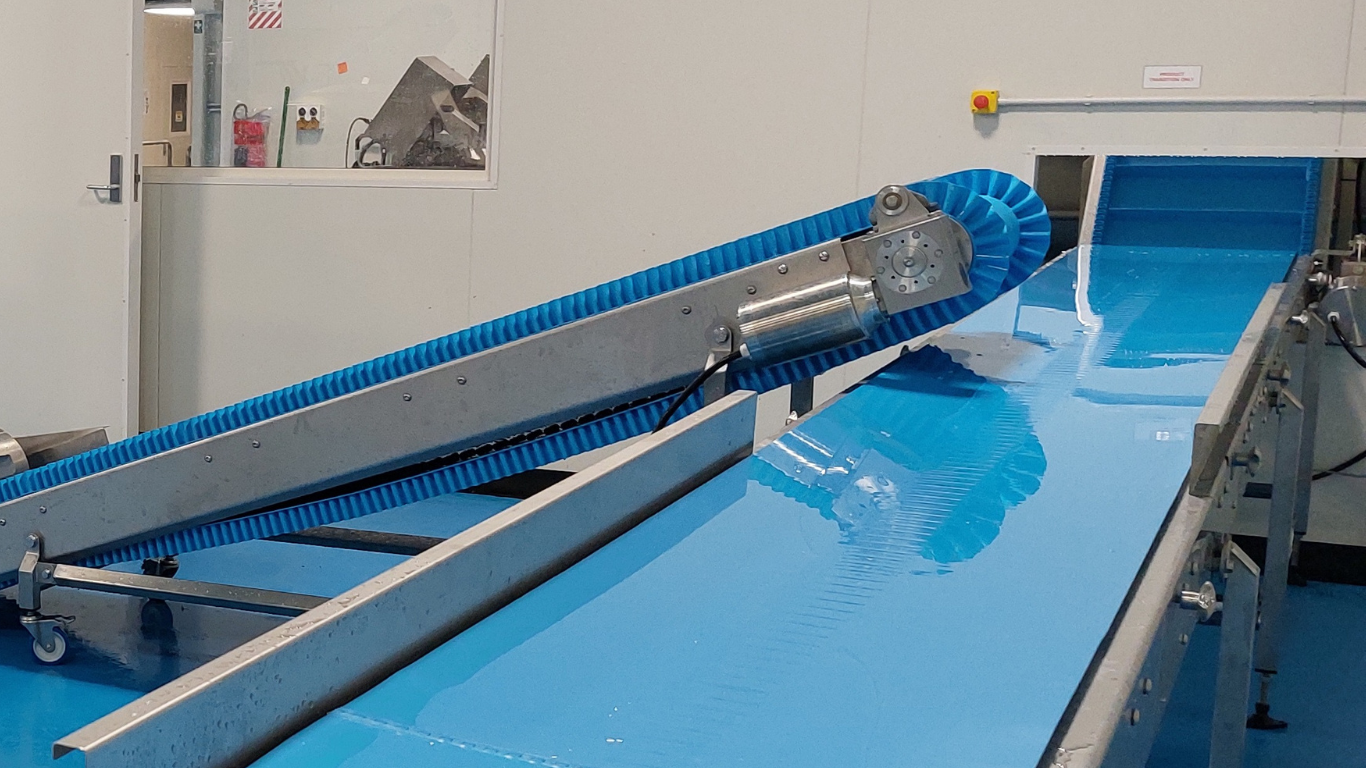
What Makes a Component Hygienic?
In food, beverage and fresh produce plants, it’s easy to assume that stainless steel equals hygienic. Stainless is a good start. It resists corrosion and stands up to cleaning chemicals. But a stainless part can still trap dirt, water and bacteria if it’s designed the wrong way.
Hygienic design is about how a component is shaped and sealed, not just what it’s made of. Here’s what to look for.
No exposed threads
Exposed threads are one of the hardest things to clean. Product and bacteria get into the grooves, and brushes and water jets can’t reach them properly.
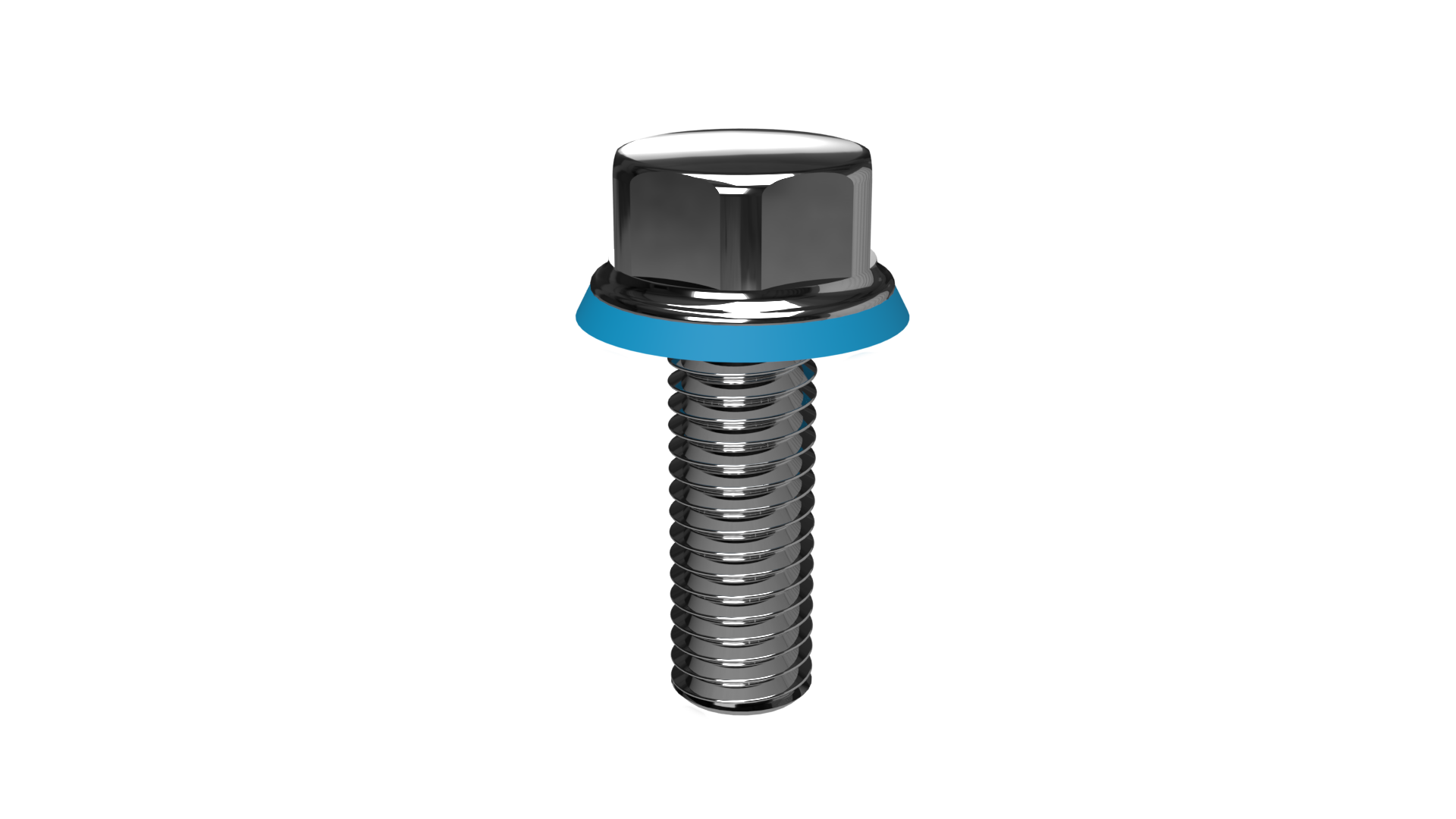
Hygienic bolts, levelling feet and castors cover or seal the thread, so there’s nothing for contamination to hide in. On a hygienic bolt, for example, a sealing washer under the head closes the gap between the bolt and the surface.
Surfaces that drain
Water that sits on a component after washdown gives bacteria somewhere to grow. Flat tops, recesses and upward-facing cups all hold water.
Hygienic components use sloped, rounded or self-draining surfaces so water runs off rather than pooling. It’s worth looking at your equipment straight after a washdown and noting where water is still sitting.
Sealed moving parts
Wheels, swivels, bearings and adjustment mechanisms have gaps by nature. In a hygienic component, those moving parts are sealed so water and product can’t get inside, and there are no hidden cavities behind them.
Smooth, crevice-free finishes
Sharp internal corners, rough welds, overlapping joints and gaps between parts are all places where residue builds up. Look for smooth finishes, rounded transitions and as few joints as possible.
Suitable for your cleaning method
Think about how the area is actually cleaned. Hand wiping, low-pressure hosing and high-pressure hot washdown with chemicals are very different conditions. A component’s protection rating and seals need to suit the real cleaning regime, not just the room it sits in. We’ve covered this in more detail in Understanding IP ratings and when IP69K matters.
Easy to clean around
A hygienic component also has to leave room to clean the equipment around it. Levelling feet that raise a frame off the floor, and castors that let equipment be moved for washdown, both make it easier to reach the areas that usually get missed.
Match the part to the hygiene zone
Not every area of a plant needs the same level of hygienic design. High-care and high-risk zones need the most attention, while low-risk areas may not need fully certified components. Matching the component to the zone helps you spend where it matters most.
Certification varies from product to product. Some components carry third-party hygienic design certification, and others are designed to hygienic principles without it. If certification matters for your site or your customers, check the documentation for the exact part, not just the range.
Where to start
Walk a high-care area after washdown and look for the places where water sits, threads are exposed, or cleaning is awkward. Those are usually the first components worth replacing.
EQM’s Hygiene range includes hygienic bolts, knobs, handles, levelling feet, castors, bearing systems and washdown drives. Send us photos of the problem areas and we’ll help you find suitable options. Email [email protected] or view the EQM Hygiene range.
Eliminating bottlenecks. Boosting productivity in every industry.
Drive motors and conveyor systems that work.
0800 147 847 | [email protected] | eqm.co.nz