No products in the cart.
How to Build a Critical Spares List Before Your Busy Season
Every plant has a few drives that everything else depends on. A conveyor gearbox at the start of the line. The motor on a filler. The drive on a filter that only runs for a few months a year. When one of those stops, production stops with it.
The part itself is rarely the expensive bit. The expensive bit is the wait: the hours spent trying to identify what failed, then the days waiting for a replacement to arrive. A critical spares list shortens that wait, and it’s something you can put together in an afternoon.
1. Walk the line and ask one question
Start at the beginning of your process and work through to the end. At each drive, ask: if this stopped right now, what else would stop?
Some drives won’t matter much. There’s a workaround, or the line can keep running without them for a shift. Others will halt everything behind them. Those are your critical drives, and they’re the ones this list is for.
Don’t forget equipment that only runs seasonally. A drive that sits idle for nine months of the year can be the hardest one to replace when you need it, because nobody remembers what it is.
2. Record what the replacement will need
For each critical drive, capture:
- A clear photo of the nameplate, plus one of the whole unit in place
- The make, model and any codes on the gearbox and motor
- The ratio, input flange or motor frame size, and output shaft size, if you know them
- How it’s mounted, and which way it’s oriented
- The environment it works in: washdown, outdoors, dusty, hot or corrosive
Nameplates fade, paint gets over them, and some older units were never labelled well in the first place. If a plate is unreadable, photograph the unit from a few angles and measure the shaft and mounting points. That’s often enough for us to identify it.
3. Check lead times before you need them
Once you know what you have, find out how long each replacement would take to arrive. Some parts are held in stock. Others need to come from the manufacturer, and that can take weeks.
That lead time is the number that matters. A drive with a short lead time may not need a spare on your shelf. A drive with a long lead time, on a line you can’t afford to lose, probably does.
4. Decide what to hold, and where
For each critical drive, choose one of three options:
- Hold a spare on site, ready to fit.
- Know exactly what to order, with the details recorded, so a replacement can be quoted and sent straight away.
- Plan a replacement, if the unit is old, obsolete or repeatedly failing, and fit it during a planned shutdown rather than after a breakdown.
Keep the list somewhere your maintenance team can find it at 5am, not just on one person’s laptop.
5. Review it before each busy season
Equipment changes. Lines get extended, drives get upgraded and old spares get used without being replaced. A quick review before your peak season keeps the list honest.
An old gearbox isn’t a dead end
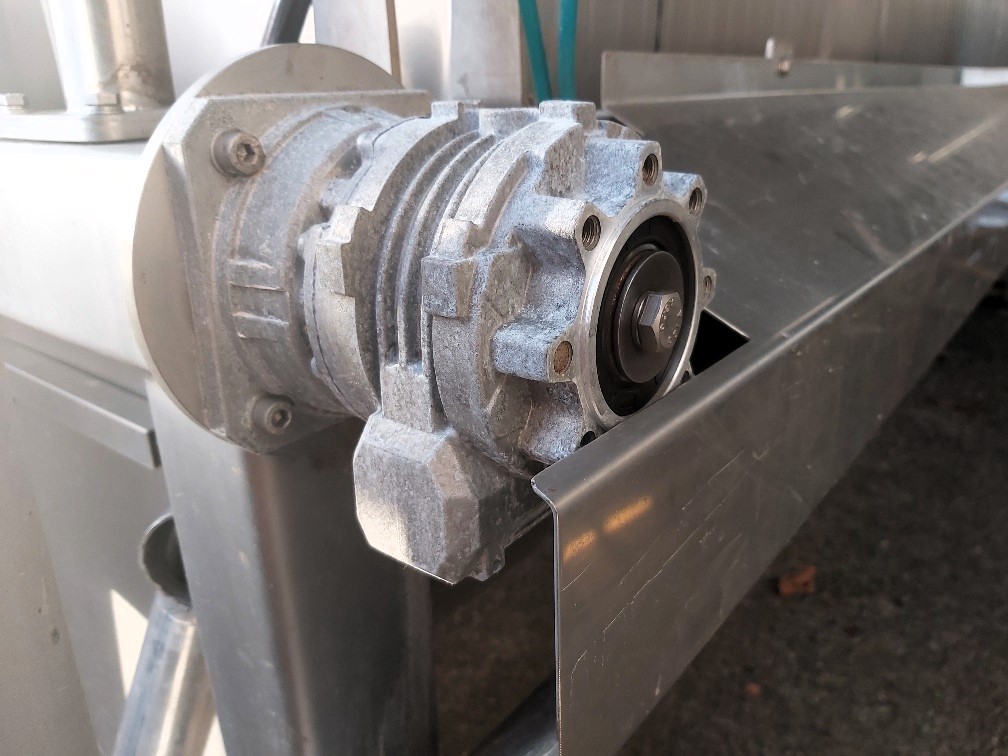
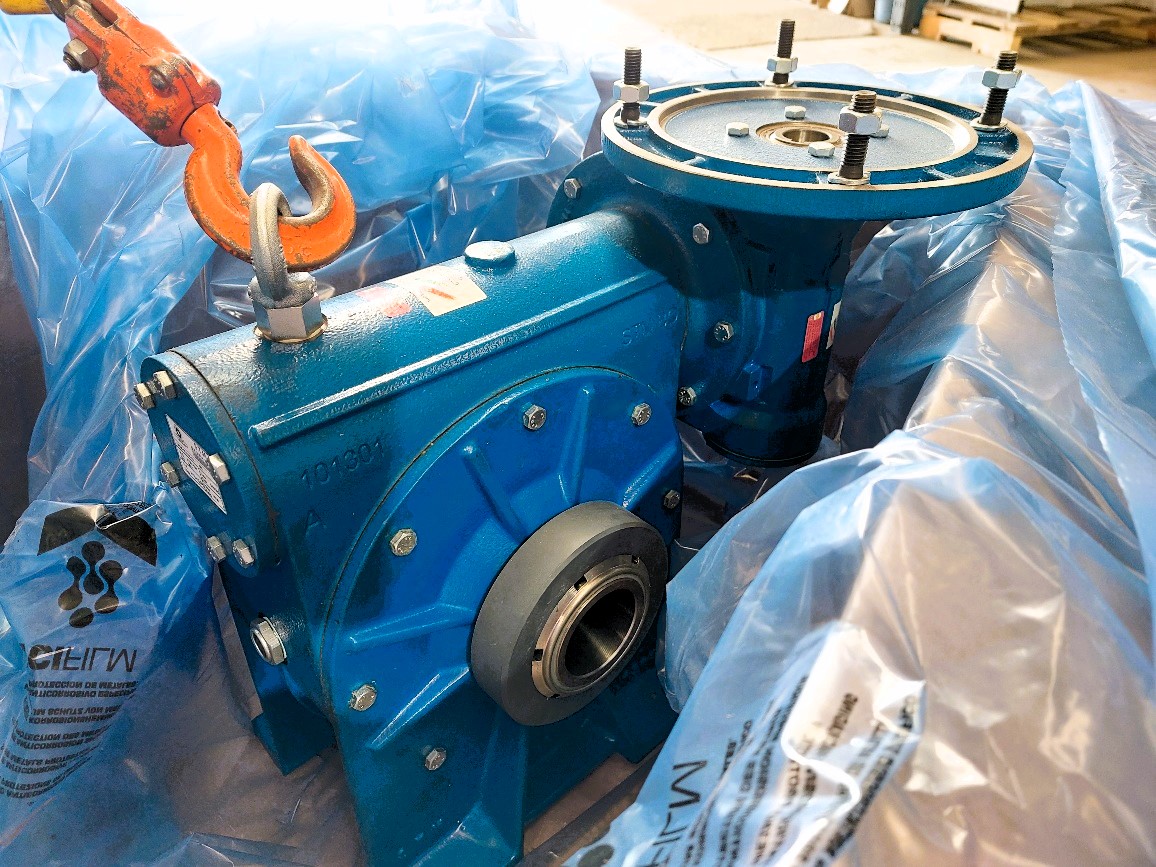
We regularly help customers identify drives with very little to go on. In one case, an engineer preparing a risk assessment for a large winery found its wine filters relied on special STM gearboxes that were hard to identify. Anthony from our team visited the site, measured the drives and worked out exact replacements from STM’s Standard Line. Because STM still makes most of the designs it sold 30 years ago, the winery had its backup plan sorted before harvest. Read the full case study.
Need a hand with your list?
Send us your nameplate photos and details through our Gearbox Enquiry Form, or email [email protected]. We’ll help identify each unit, check what’s available and suggest suitable replacements where the original is no longer made.
Eliminating bottlenecks. Boosting productivity in every industry.
Drive motors and conveyor systems that work.
0800 147 847 | [email protected] | eqm.co.nz